
When a child struggles with reading, focus, or confidence in school, it can feel overwhelming for the whole family. This article offers reassurance through real stories of well-known individuals who faced similar challenges and went on to thrive. By shifting the focus from limitations to strengths, parents can better understand how the right support, encouragement, and perspective can help their child succeed in school and beyond.

When Learning Feels Hard
If your child struggles with reading, writing, attention, or staying organized, you are not alone. Many parents quietly wonder if their child will “catch up,” feel confident in school, or find their place in the world.
These concerns are real. School systems are often designed for a narrow learning style, which can leave neurodivergent students feeling frustrated or misunderstood. You may see your child working harder than peers yet falling behind, or avoiding tasks altogether because they feel defeated before they begin.
It is easy to worry about the future. But here is an important truth: many highly successful people once sat in classrooms feeling the same way your child might feel today.
What Does It Mean to Be Neurodivergent?
Neurodivergent simply means that a person’s brain processes information differently from what is considered typical. This includes learning differences such as dyslexia, ADHD, dysgraphia, and dyscalculia.
Because terms like learning disability, learning difference, and neurodivergence are often confused, we’ve created a detailed guide explaining how they relate and why the distinction matters for families.
These are not signs of low intelligence or lack of potential. They reflect differences in how the brain reads, writes, organizes, or focuses. Many neurodivergent learners have strong creativity, problem-solving skills, and big-picture thinking.
A strengths-based perspective is key. Instead of asking, “What is wrong?” we ask, “How does this child learn best?”
Famous People Who Overcame Learning Challenges
Stories matter. They help children and parents see what is possible. These well-known individuals did not succeed in spite of their differences—in many cases, their unique way of thinking became their greatest strength.
Michael Phelps (ADHD)

As a child, Michael Phelps had trouble sitting still and focusing in school. He was diagnosed with ADHD and often felt restless in the classroom. Traditional learning environments were not a natural fit for him.
What helped him succeed was structure, consistency, and a space where his energy became an advantage rather than a problem. Swimming gave him focus, routine, and confidence.
Over time, that focus led him to become one of the most decorated Olympians in history.
Takeaway: When a child’s energy is channeled into the right environment, it can become a powerful strength.
Steven Spielberg (Dyslexia)
 Steven Spielberg struggled with reading and felt out of place in school for many years. He has shared that he often felt “slow” compared to his classmates. He was not diagnosed with dyslexia until much later in life.
What changed everything was storytelling. Through filmmaking, he found a way to express ideas, emotions, and imagination in a format that worked for him.
Today, he is one of the most influential filmmakers in history.
Takeaway: Academic struggles do not define intelligence. Creativity often thrives outside traditional classroom expectations.
Richard Branson (Dyslexia)
 Richard Branson found school extremely challenging. Reading and writing were difficult, and he did not perform well academically. He eventually left school at a young age.
But he had strengths that school did not measure well, including big-picture thinking, risk-taking, and communication. Those strengths helped him build a global business empire.
Branson has often spoken about how dyslexia shaped the way he thinks and solves problems.
Takeaway: There is more than one path to success. Traditional academic performance can be one, but it is not the only one.
Whoopi Goldberg (Dyslexia)
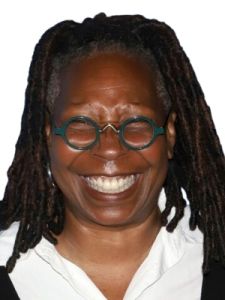 As a child, Whoopi Goldberg struggled with reading and was labeled as “slow.” These labels affected her confidence and made school feel discouraging.
Despite these challenges, she found her voice through performance and storytelling. She went on to become an award-winning actor, comedian, and host.
Her story is a reminder that labels placed on children can be limiting, but they do not define future outcomes.
Takeaway: A child’s potential cannot be measured by early struggles or labels given in school.
Tom Holland (Dyslexia)
 Actor Tom Holland has spoken openly about living with dyslexia and the challenges it can create, particularly when reading under pressure. As a student, he learned to use preparation, practice, and personalized strategies to manage these difficulties and build confidence.
Today, Holland is one of the most successful actors of his generation, known worldwide for his role as Spider-Man. His story shows that learning differences do not limit a person’s potential and that success often comes from understanding and working with how you learn best.
Takeaway: Learning differences may create challenges, but with the right strategies and support, they do not have to stand in the way of success.
What These Stories Mean for Your Child
These stories are not exceptions. They are reminders that success does not come from fitting into one narrow definition of learning.
Your child’s challenges today do not set a limit on their future. In many cases, they are part of a different way of thinking that can become an advantage over time.
Confidence plays a major role. When children believe they are capable, they are more willing to try, persist, and grow. Without confidence, even strong abilities can remain hidden.
Early support also matters. When children have access to the right tools and instruction, they can build skills more effectively and avoid years of frustration.
Most importantly, every learner has strengths. The goal is not to “fix” a child but to help them understand how they learn best.
Signs Your Child May Need Extra Support
Some challenges are part of normal development, but patterns over time may signal a need for additional help. These signs can appear differently in each child, but common patterns include:
• Difficulty learning to read, write, or spell compared to peers
- Avoidance of schoolwork or frequent frustration with assignments
- Trouble focusing, organizing tasks, or following multi-step directions
- Low self-esteem related to school performance
- Saying things like “I’m not smart” or “I can’t do this”
These signs are not reasons to panic. They are signals that your child may benefit from a different approach to learning.
How the Right Support Can Make a Difference
When instruction matches how a child learns, progress becomes more achievable and less stressful. The right support focuses on both skill-building and emotional confidence.
Effective support often includes structured, evidence-based teaching methods such as the Orton-Gillingham approach, which breaks skills into manageable steps.
Equally important is building confidence alongside academic skills. Children need to experience success regularly. Small wins can rebuild motivation and reduce anxiety around learning.
Support should feel personalized. What works for one child may not work for another. A tailored approach allows educators to meet students where they are and help them move forward.
Helping Your Child Thrive
Parents play a powerful role in shaping how children view their abilities. Small shifts in language and behavior can make a lasting difference.
- Focus on effort and progress instead of grades
- Celebrate strengths outside academics, such as creativity or problem-solving
- Encourage persistence while offering support when needed
- Advocate for your child in school settings
- Help your child understand how they learn best
These steps create a foundation of confidence. When children feel supported, they are more willing to take risks and grow.
How Commonwealth Learning Center Supports Neurodivergent Students
At Commonwealth Learning Center, our focus is on helping students build both skills and confidence through personalized instruction.
Support services include targeted tutoring, dyslexia intervention, and executive function coaching. Each program is designed to meet students where they are and help them move forward with clarity and confidence.
Instruction is tailored to the individual, using research-based approaches that address the root of learning challenges rather than just the symptoms.
Families are also supported throughout the process. Clear communication and guidance help parents feel informed and empowered as their child progresses.
To learn more, visit:
A Different Path Can Still Lead to Success
It is natural to worry when your child struggles in school. But these struggles do not define their future.
Many successful individuals once faced the same challenges your child is facing today. What made the difference was not perfection in school. It was support, confidence, and the opportunity to grow in ways that matched how they learned.
Your child’s path may look different, but different does not mean less.
With the right support, encouragement, and understanding, your child can thrive.
Common Questions Around Neurodivergence
Parents often have similar concerns when navigating learning differences. Here are a few common questions:
Can my child still succeed academically with dyslexia or ADHD?
Yes. With the right support and teaching approach, students can build strong academic skills and succeed in school.
Will my child always struggle with confidence?
Confidence can improve significantly when children experience success and feel understood.
Is it too early or too late to seek help?
Support can make a difference at any age, though earlier intervention often leads to faster progress.
Do learning differences go away?
They do not disappear, but students learn strategies that help them succeed in school and life.